“Coffee planting and production belt” search results (300)

Columbia Coffee Manor Hope Manor introduces Coffee Manor production area
The Republic of Colombia is located in the northern tip of South America and is in a coffee belt suitable for coffee growth. Colombia is bordered by the Pacific Ocean to the west and the Caribbean Sea to the north, with a mild climate and humid air. The Andes split into the western, central and eastern mountains in Colombia, and most of the coffee is grown in the highlands of these mountains. Different elevations and latitudes form the diversity of coffee.
2016-07-02 Colombia Coffee Manor Hope introduction producing area Republic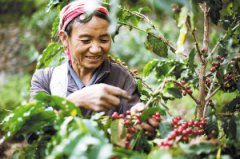
Yunnan Coffee and Chinese Coffee Market
Coffee trees need high altitude, tropical climate and fertile soil to grow the best coffee beans. Such climatic conditions on earth surround the equator, about between 25 degrees north latitude and 30 degrees south latitude. This zone, commonly known as the golden coffee belt, belongs to tropical and subtropical regions and is technically called coffee belt. When it comes to coffee in the world, let's talk about Chinese coffee first.
2016-06-07 Yunnan Coffee China Market need High altitude altitude Tropical Climate
The main producing areas and characteristics of Coffee in the World
Coffee production zones (commonly known as coffee belts) range from 25 degrees north latitude to 30 degrees south latitude, covering many countries in Central, West Africa, the Middle East and South Asia, the Pacific, Latin America and the Caribbean. The reason why coffee cultivation is concentrated in this area is mainly due to the limitation of temperature. Because coffee trees are vulnerable to frost, neither north nor south latitude is suitable, especially in the tropics.
2015-02-11 World coffee major producing areas characteristics common sense production zone called
Ten wonderful truths about coffee all started with dancing goats.
It all started with dancing goats. According to legend, an Ethiopian shepherd named Caldi discovered the coffee plant. In the process of herding the sheep, he found that when the goat ate a kind of fruit from the coffee tree, it would be very excited and strange, so he tried to eat some. Then a monk found Caldi full of energy and asked him.
2015-10-09 About coffee ten wonderful truth everything it starts with dancing goat
Planting conditions of Coffee trees
The origin of the coffee tree is Ethiopia in Africa. In botany, coffee trees belong to the evergreen trees of the subgenus Rubiaceae, and coffee beans, commonly known as coffee beans, are actually the seeds of the fruit of coffee trees. They are called coffee beans only because they are shaped like beans. Climate is the decisive factor for coffee cultivation. Coffee trees are only suitable for growing in the tropics or subtropics, so latitude 25 degrees south and north.
2014-07-09 Coffee tree planting coffee tree planting conditions coffee beans
The bitter Coffee Flavor of Nicaraguan Heavenly Manor Coffee Flavor and Taste production area
Nicaragua is located in central Central America, bordered by the Pacific Ocean to the west and the Caribbean Sea to the east. The highlands in the north and the coastal plains in the east are part of the Central American volcanic belt. The eastern plain is high-temperature and rainy, with a tropical maritime climate. The suitable climate provides an excellent growth environment for the cultivation of coffee. High-quality Nicaraguan coffee, grown in the north and middle of the country. Coffee is Ni.
2016-09-08 Huigan bitter Nicaragua Divine Gift Manor Coffee Flavor Taste producing area Special
Growth and characteristics of Coffee trees
The origin of the coffee tree is Ethiopia in Africa. In botany, coffee trees belong to the evergreen trees of the subgenus Rubiaceae, and coffee beans, commonly known as coffee beans, are actually the seeds of the fruit of coffee trees. They are called coffee beans only because they are shaped like beans.
2014-09-02 Coffee knowledge coffee tree coffee tree planting coffee tree growth characteristics
The planting temperature of coffee tree is between 15 degrees and 25 degrees.
The origin of the coffee tree is Ethiopia in Africa. In botany, coffee trees belong to the evergreen trees of the subgenus Rubiaceae, and coffee beans, commonly known as coffee beans, are actually the seeds of the fruit of coffee trees. They are called coffee beans only because they are shaped like beans. Climate is the decisive factor for coffee cultivation. Coffee trees are only suitable for growing in the tropics or subtropics, so latitude 25 degrees south and north.
2015-10-07 Coffee planting condition temperature between 15 degrees -25 degrees between coffee
How is a cup of coffee made? Fine Coffee Science
When we enjoy a hot cappuccino in a coffee shop or see instant coffee sitting high on a supermarket shelf, we probably don't know that the beans that make these coffee drinks have to travel a long way to reach us. Earth's equatorial belt abounds in coffee trees, which have the aroma of jasmine. The life of a cappuccino begins here.
2015-08-12 cup of coffee how to brew boutique we enjoy coffee shop hot of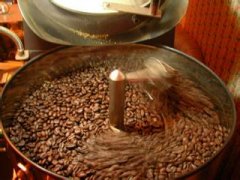
The planting conditions of high-quality coffee beans and common sense coffee trees
The origin of the coffee tree is Ethiopia in Africa. In botany, coffee trees belong to the evergreen trees of the subgenus Rubiaceae, and coffee beans, commonly known as coffee beans, are actually the seeds of the fruit of coffee trees. They are called coffee beans only because they are shaped like beans. Climate is the decisive factor for coffee cultivation. Coffee trees are only suitable for growing in the tropics or subtropics, so latitude 25 degrees south and north.
2015-02-25 Boutique coffee beans common sense coffee planting conditions origin Africa Egypt
Introduction to the types of coffee beans-- Nicaraguan coffee beans with high quality coffee planting Sal
Nicaraguan coffee of high quality is in the forefront of coffee beans in the world and enjoys a good reputation. Its particles are moderate in size, mild in taste and very aromatic and mellow. Nicaragua is located in central Central America, bordered by the Pacific Ocean to the west and the Caribbean Sea to the east. The highlands in the north and the coastal plains in the east are part of the Central American volcanic belt. The eastern plain is high-temperature and rainy, with a tropical maritime climate. Suitable
2016-03-15 Coffee beans species introduction Nicaragua coffee quality planting Sal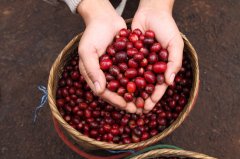
Where is the best place to grow coffee in the coffee growing area?
The coffee belt (coffee production zone) ranges from 25 degrees north latitude to 30 degrees south latitude, including many countries in Central, West Africa, the Middle East and South Asia, the Pacific, Latin America and the Caribbean. The reason why coffee cultivation is concentrated in this area is due to the limitation of temperature. Coffee trees are very vulnerable to frost, neither the north nor the south latitude is suitable, but only in the tropics.
2016-05-03 Coffee planting production zone where suitable coffee medium
Introduction to the characteristics of Nicaraguan Fine Coffee Bean Flavor and taste Manor
Managua, the capital of Nicaragua, is located in the west of the border, on the south bank of Lake Managua, hence its name. The northwest is 140 kilometers away from the Collinto seaport on the Pacific coast. 55 meters above sea level. It is a Spanish city with beautiful scenery. Because it is located to the east of the Pacific volcanic active seismic belt, there have been four strong earthquakes in the city in the past 100 years, including one in December 1972.
2016-08-15 Nicaragua boutique coffee beans flavor taste manor producing area characteristics introduction
How many coffee producing countries are there in the world?
1. Arabica species (scientific name Coffea arabica) Arabica species is native to Ethiopia's Abyssinian plateau (now Ethiopia plateau), early mainly as a medicinal food (Islamic lovers used as a healing medicine or to wake up), 13th century developed the habit of baking and drinking, 16th century introduced to Europe via Arabia
2016-06-06 coffee cultivation condition world on how much country of production rabbi kasu scientific name
Major Coffee producing areas in the World (1)
Coffee production zones (commonly known as coffee belts) range from 25 degrees north latitude to 30 degrees south latitude, covering many countries in Central, West Africa, the Middle East and South Asia, the Pacific, Latin America and the Caribbean. The reason why coffee cultivation is concentrated in this area is mainly due to the limitation of temperature. Because coffee trees are vulnerable to frost, neither north nor south latitude is suitable, especially in the tropics.
2014-08-14 Coffee producing area world coffee producing area coffee encyclopedia
Introduction of Los Congo Manor Coffee Flavor producing area like the faint taste in wine
Managua, the capital of Nicaragua, is located in the west of the border, on the south bank of Lake Managua, hence its name. The northwest is 140 kilometers away from the Collinto seaport on the Pacific coast. 55 meters above sea level. It is a Spanish city with beautiful scenery. Because it is located to the east of the Pacific volcanic active seismic belt, there have been four strong earthquakes in the city in the past 100 years, including one in December 1972.
2016-09-18 Like wine faint implication taste Los Congo manor coffee flavor
Environmental requirements for growing Coffee in Coffee Farm in India
Coffee planting conditions and distribution 1. What is coffee? Coffee (Coffee) is derived from the Latin word Coffea (biological word name) and belongs to a member of the Rubiaceae family. These plants are all woody plants, most of which are distributed in the tropics, with more than 500 classifications and about 6000 varieties. Most of the Coffea plants are tropical 5-6 meters high.
2016-06-15 India coffee manor planting environment requirements conditions distribution
Fragrant and delicious Coffee from Los Congo Manor in Nicaragua introduction to boutique coffee
Managua, the capital of Nicaragua, is located in the west of the border, on the south bank of Lake Managua, hence its name. The northwest is 140 kilometers away from the Collinto seaport on the Pacific coast. 55 meters above sea level. It is a Spanish city with beautiful scenery. Because it is located to the east of the Pacific volcanic active seismic belt, there have been four strong earthquakes in the city in the past 100 years, including one in December 1972.
2016-08-26 Aromatic delicious Nicaragua Los Congo Manor Coffee Flavor taste Special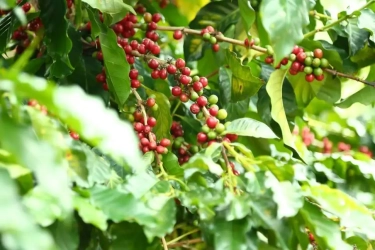
What are Arabica coffee beans? 100% pure Arabica single boutique coffee beans efficacy, flavor and taste characteristics
Arabica coffee beans are also one of the coffee beans, but account for 70% and 80% of coffee bean production. It can be seen that Arabica coffee beans are the main source of raw materials for coffee. So what is Arakabi? What kind of nutrition does it have? What's the use? How does it make coffee? If you eat it
2023-03-15 Rabbi coffee beans what is efficacy belongs to one of them
The editor introduces the growth habits of coffee.
Coffee trees like mild temperatures during the day and less than two hours of direct sunshine, so if there is a lack of afternoon showers or fog to report every day, local farmers have to plant many taller trees in the coffee garden for shade. At night, they want an environment of about ten degrees Celsius but not too low, because too warm will make the coffee berries grow
2014-07-14 Coffee knowledge coffee growth growth habits coffee encyclopedia